From falls reduction to stopping elopements from the ED to behavioral health to telehealth visits, providers are pushing the boundaries of remote care (with a little help from AvaSure!).
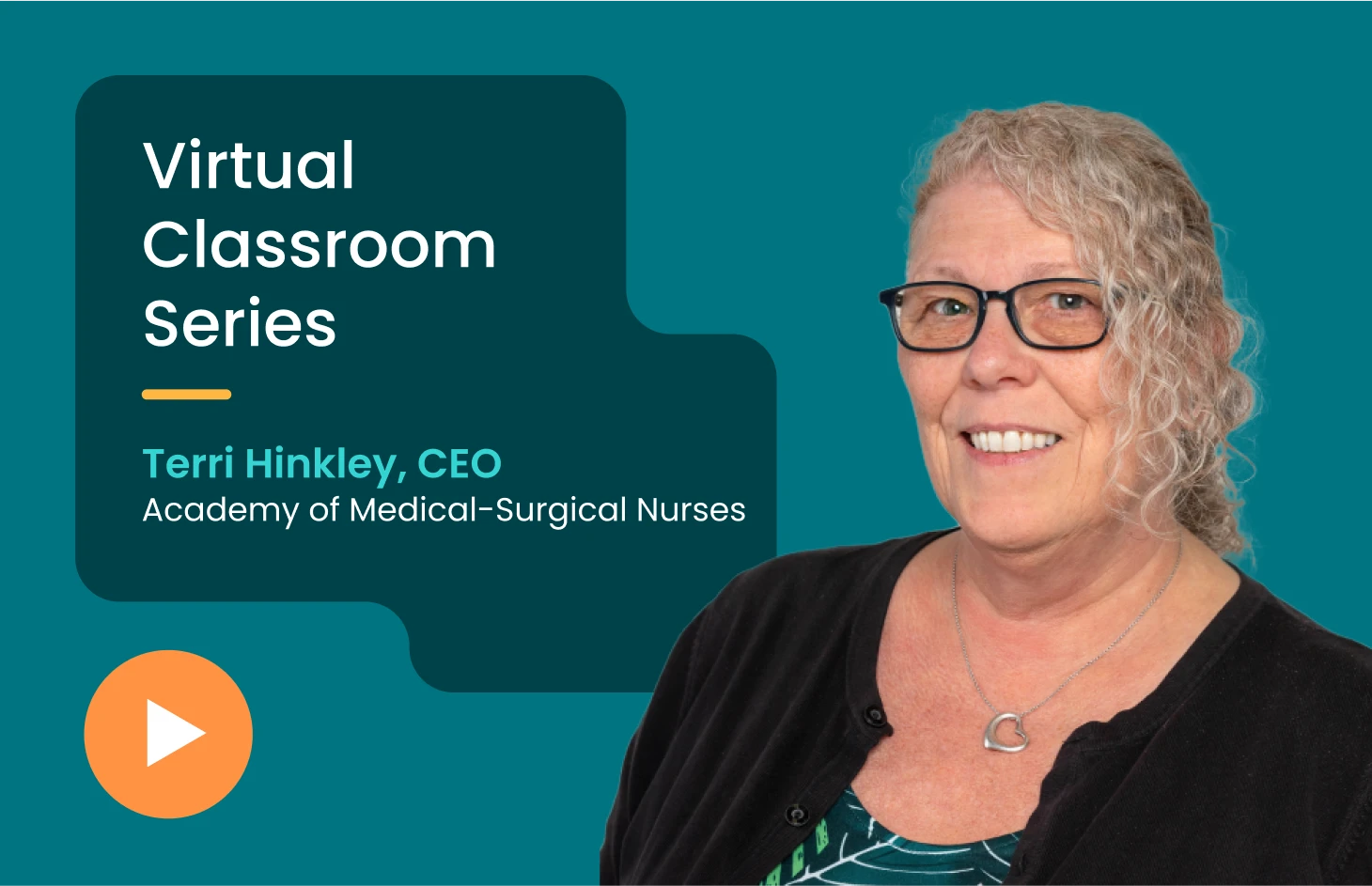
Join AvaSure Chief Clinical Officer, Lisbeth Votruba, MSN, RN, as we kick off a six-part classroom series: Virtual Nursing 101. Lisbeth had a special guest Terri Hinkley, CEO of the Academy of Medical-Surgical Nurses on this first webinar to discuss the important role of the virtual nurse and the creation of the MSNCB Role Certification. The two task force members of the certification dived into key competencies to look for when hiring a virtual nurse and how to recruit for this role without taking away from bedside staff or further exacerbating staffing challenges.
Introducing the Nurse Elevated Care Model from AvaSure
An augmented care environment where a virtual team provides support – offloading documentation burden, providing a second set of eyes on complex patients and helping to close growing experience/complexity gap in nursing – to the bedside team. This model of care helps health systems reduce labor costs while liberating their bedside nurses to provide elevated, hands-on patient care.
52% of nurses are considering leaving the bedside, at a time where there are 1.1M+ vacancies. Hospital leadership knows they need a change, 83% are considering virtual nursing as a solution but don’t know where to start.
We call this the Nurse Elevated Care Model because it does just that – elevates your nursing team for optimal care.
Learn how AvaSure customers have used the Nurse Elevated Care Model to achieve results
Sarah Brown MSN, RN, CMPE, NEA-BC at UnityPoint Health, discusses the challenges her nursing staff faced during the pandemic and how this caused massive burnout throughout their system. Quality of care was being compromised, so leadership agreed to make innovative changes and identified the use of AvaSure TeleNurse™ solutions as a potential solve. Sarah noted, “Virtual Nursing in the med-surg area immediately helped our nurses at bedside and has grown astronomically quickly.”
Early results of TeleNurse™ Programs:
Increases in HCAHPS: 7.6% increase in patient understanding of purpose of taking medication, 2.04% increase in top box score for transition of care
Discharges completed by the virtual nurse currently have lower rates of readmission – this is an early trend; they’re waiting to see more results over time to consider it correlated
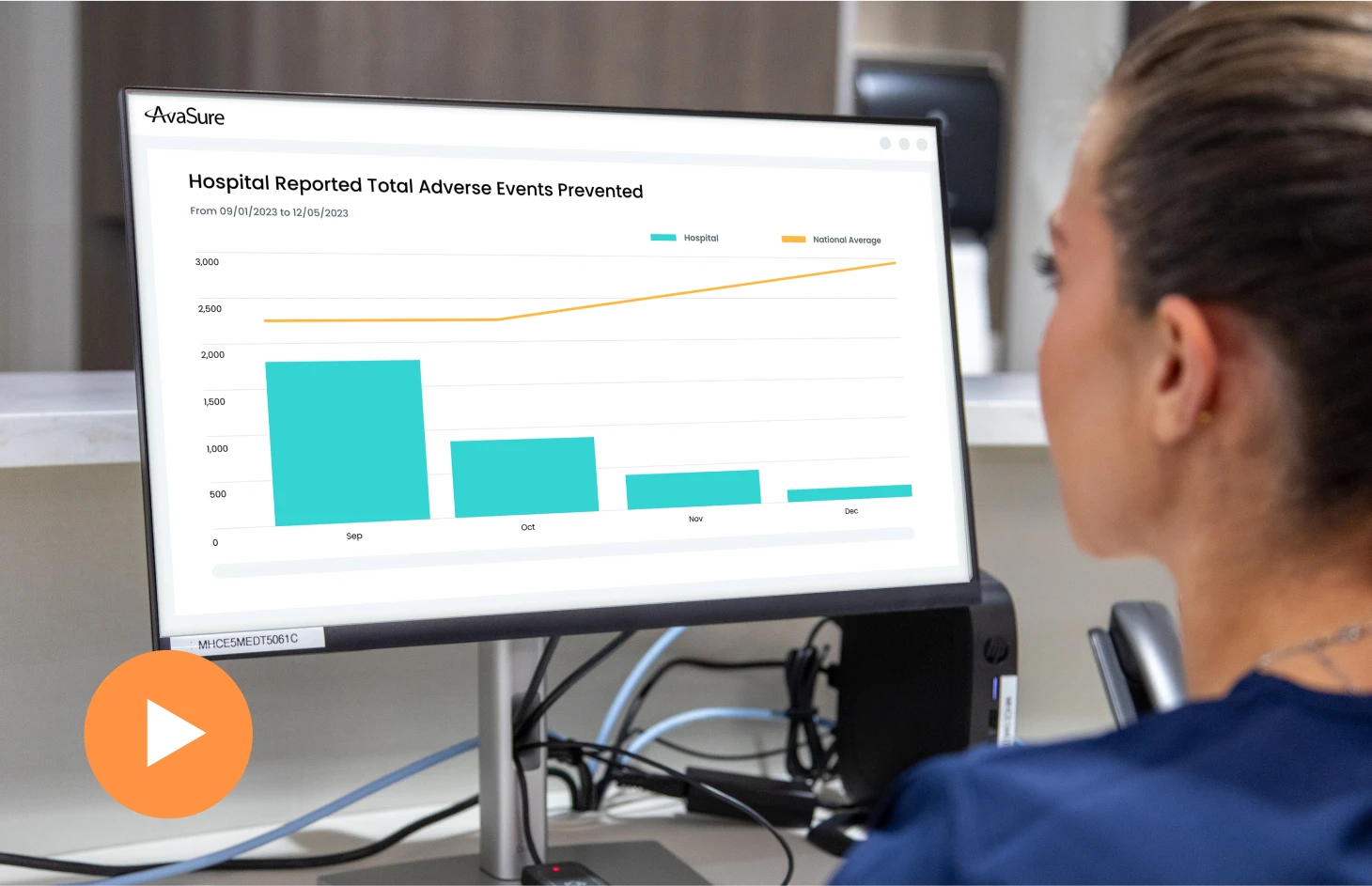
ORNA® (Online Reporting of Nursing Analytics) helps healthcare leaders make informative decisions about their organization and patients. Learn how the AvaSure database drives performance improvement and can help predict and prevent adverse events in a national way.
Learn how 1 million patients represent nearly 70 million monitoring hours in the ORNA® database. During those hours, more than 7 million adverse events were prevented.
For more information about ORNA® and how you may be able to better utilize data within your TeleSitting® program, please reach out to ORNA@avasure.com.
Hosted by Chief Clinical Officer Lisbeth Votruba, series will detail how nursing leaders can launch and implement virtual nursing programs
BELMONT, Mich., March 21, 2023 /PRNewswire/ — AvaSure, the inventor of the TeleSitter® solution and the market leader in acute virtual care and remote safety monitoring, announced today that it will kick off a virtual classroom series on March 23, “Virtual Nursing 101,” which will detail how nursing leaders can launch and implement virtual nursing programs.
The virtual classroom series is hosted by AvaSure Chief Clinical Officer Lisbeth Votruba, MSN, RN, who will be joined by special guests and experts to cover pressing industry topics, such as the role of the virtual nurse and how to build a virtual nursing business case, as well as lessons learned from ongoing programs.
“Nursing leaders across the nation understand the numerous benefits that virtual nursing could deliver to their health systems but often have questions about how to get started and what it takes to create a successful virtual nursing program,” said Votruba. “We are delighted to launch this series to help spread awareness of how virtual nursing represents a new model of care that can help health systems improve patient safety, reduce labor costs, and protect staff from caregiver violence, while reducing documentation burden on staff and increasing staff satisfaction.”
Votruba is a pioneering nurse executive committed to continuous improvement of healthcare and the diffusion of new technologies to drive patient and staff safety. She is a member of the Medical Surgical Nursing Certification Board (MSNCB) Virtual Nursing Job Analysis Task Force as a subject matter expert for the creation of a medical-surgical virtual nurse certification, and for nearly 15 years, she has worked extensively with over 1,000 hospitals in standing up their virtual care platforms.
The free, six-part series will take place on the last Thursday of each month and feature Votruba along with special guests and experts. The first session, scheduled for March 23 at 12 p.m. EST, will feature Terri Hinkley, EdD, MBA, BScN, RN, CAE, CEO of Academy of Medical-Surgical Nurses.
In this session, Votruba and Hinkley will discuss the role of the virtual nurse and what was involved in the creation of the MSNCB Professional Certification, the competencies to look for when hiring virtual nurses, and how to recruit for the role without exacerbating existing staffing challenges.
Virtual Nurse Webinar Schedule
March 23: The Role of The Virtual Nurse
April 27: Introducing The Clinical Resource TeleNurse Model: What Is It And How Can It Help?
May 25: Building A Virtual Nursing Business Case
June 22: Introducing The Expert Oversight TeleNurse Model: What Is It And How Can It Help?
July 27: Selecting The Right Technology Partner For Virtual Nursing
August 24: Starting & Scaling Your Virtual Nurse Program
To learn more about “Virtual Nursing 101” and register to attend, click here.
About AvaSure AvaSure provides the leading hospital virtual care platform to systems with nursing and staffing shortages that are challenged to significantly reduce labor costs without sacrificing patient health outcomes. Recently recognized by KLAS Research as the leader in reducing the cost of patient care, AvaSure is the pioneer in providing best-in-class, video-based AvaSure TeleSitter® and TeleNurse™ solutions. As a trusted partner of more than 1000 hospitals, AvaSure combines remote patient monitors, virtual nurses and other providers on a single platform to enhance clinical care without placing any additional burdens on existing staff.
Media Contact: Marcia Rhodes Amendola Communications mrhodes@acmarketingpr.com
Discover the latest tips and tricks on how to recruit and retain virtual safety attendants. Our panel of experts, Tiffany Villamin at VA North Texas, Lori Colineri at Hackensack Meridian Health, and Lisbeth Votruba at AvaSure share their insights and answer questions in this video on the best ways to deal with high turnover rates among monitor staff.
A few years ago, it was estimated that by 2030 the U.S. would experience a shortfall of more than half a million nurses, with a huge loss in quality and availability of care.
The pandemic sped up the timeline.
The greatest concern was the potential loss of specialized expertise; two-thirds of 6,000 critical care nurses surveyed in August 2021 said they were considering leaving the field from burnout.
Solutions have been hard to find, but Houston’s Memorial Hermann Health System has tried something new:
As the COVID-19 delta variant spread, critical care nurses were detailed to an existing central video monitoring facility. There, these “virtual nurses” can care for COVID-19 patients across the system, supporting less experienced bedside nurses and improving patient quality and safety.
Key learning objectives of this on-demand webinar:
Discover the basics of virtual care, including the technology and the art of video and audio interactions with patients and bedside staff
Learn about policies and workflows Memorial Hermann established for virtual nursing
Find out how virtual nurses can make the highest use of specialized care resources
Presenters:
Scott Shaver, MSN, LP, RN, CPHIMS, Director of Hospital Information Systems, Memorial Hermann
Mary Ellen Carrillo, MSN, MBA, RN, CVRN, FABC, Chief Nursing Officer, Vice President of Nursing, Memorial Hermann
Jennifer McGuire, Manager, Staffing, Memorial Hermann
According to Lisbeth Votruba, RN, Chief Clinical Officer AvaSure, recent studies show that 80 percent of hospitals are interested in virtual monitoring or virtual nursing, yet only 2 percent have fully implemented such programs.
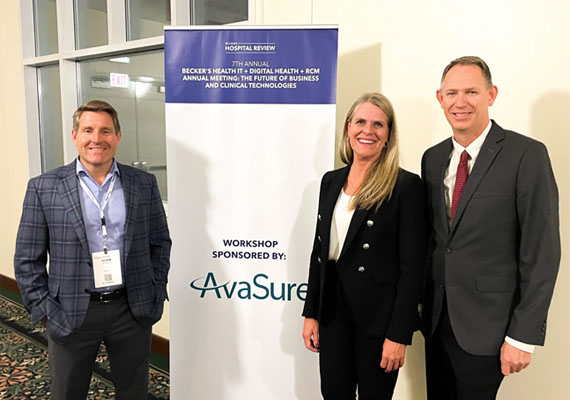
At the Becker’s Hospital Review 7th Annual Health IT + Digital Health + RCM Annual Meeting, in a workshop sponsored by AvaSure, two healthcare leaders — Ms. Votruba and Matt Barr, Senior Clinical Systems architect at Corewell Health in Grand Rapids, Mich. — discussed innovative deployments of virtual care technology.
Three key takeaways were:
When deploying virtual care solutions, clinical and IT teams must work together closely. In 2018, nurse leaders at Spectrum Health begin to investigate whether virtual safety monitoring was superior to traditional one-to-one sitters for adult and pediatric inpatients. Clinical evidence supported the expanded use of virtual safety monitoring and the clinical team selected AvaSure as their preferred solution.At this point, the IT team got involved and raised questions related to scalability, security and more. “Because IT challenged clinical on their choice and did its own, redundant investigation, the duration of conception-to-go-live took 18 months. Much longer than it needed to be.” Mr. Barr said. Today, walls between clinical and IT have been broken down and the two teams have a more collaborative relationship.
Virtual patient monitoring is financially attractive and protects patients from harm. At the newly merged Beaumont Health Spectrum Health (BHSH System – now Corewell Health) monitoring staff serve as lifeguards for 12 to 16 patients at a time. “This is a great entry-level healthcare position,” Ms. Votruba said. If issues arise, such as a fall risk or signs of potential harm, the monitoring staff’s first action is to verbally engage with the patient. In an emergent situation, they can use an alarm to bring staff to the bedside. “Over the last rolling 12 months, Corewell Health has documented 53,000 near misses on falls,” Ms. Votruba noted. In addition, with volatile and potentially violent patients, remote sitters help keep staff out of harm’s way.Organizations have also used the AvaSure TeleSitter® Solution for “out of the box” applications, like conversing with lonely, elderly patients or monitoring pediatric patients for non-accidental trauma from family members.From a financial perspective, the return on investment associated with AvaSure is easy to demonstrate. Over 12 months, Corewell Health provided 660,000 hours of virtual patient monitoring at $2.39 per hour for the technology and FTEs to monitor it. Providing one-to-one sitters for the same hours would have cost $10 million, assuming sitters are paid $16 per hour.
Virtual care models are a promising solution for closing the experience gap among newly hired nurses. Not only are healthcare organizations grappling with nursing shortages, but those nurses currently in the job market are often less experienced. This is a challenge since many patients today have more complex conditions and behavioral health issues are on the rise in acute care settings.To address these issues, Corewell Health will be running a virtual nursing pilot. “Experienced nurses who were thinking about leaving the workforce have been recruited for this program,” Ms. Votruba said. “They will take virtual nurse roles, providing mentoring and support to novice nurses on the floor. The remote expert virtual nurses will also handle some admission and discharge documentation, as well as patient education that requires an RN license.” One virtual nurse and two novice nurses will cover 10 patients. Outcomes data will be collected related to patient flow, dismissal times and nurse turnover. “The evidence suggests that with this model, dismissal times can be shortened by 30 minutes,” Ms. Votruba said.
Looking ahead, the Corewell Health team is optimistic about virtual care and other technology solutions. “COVID changed everything and virtual became the norm,” Mr. Barr said. “One positive is that we brought IT and clinical leaders together and they learned to make decisions quickly. Trust has developed across the board.”
Firman, J., Cook, J., Bass, T., & Forrester, S., “Implementing a Virtualized Care Model for Inpatient Nursing”, American Organization for Nuring Leadership 2022 Conference, April, 2022.