Author: Maura Kretzer

Nurses Week: How Supporting Nurse Wellbeing Starts with Safer Care Environments 

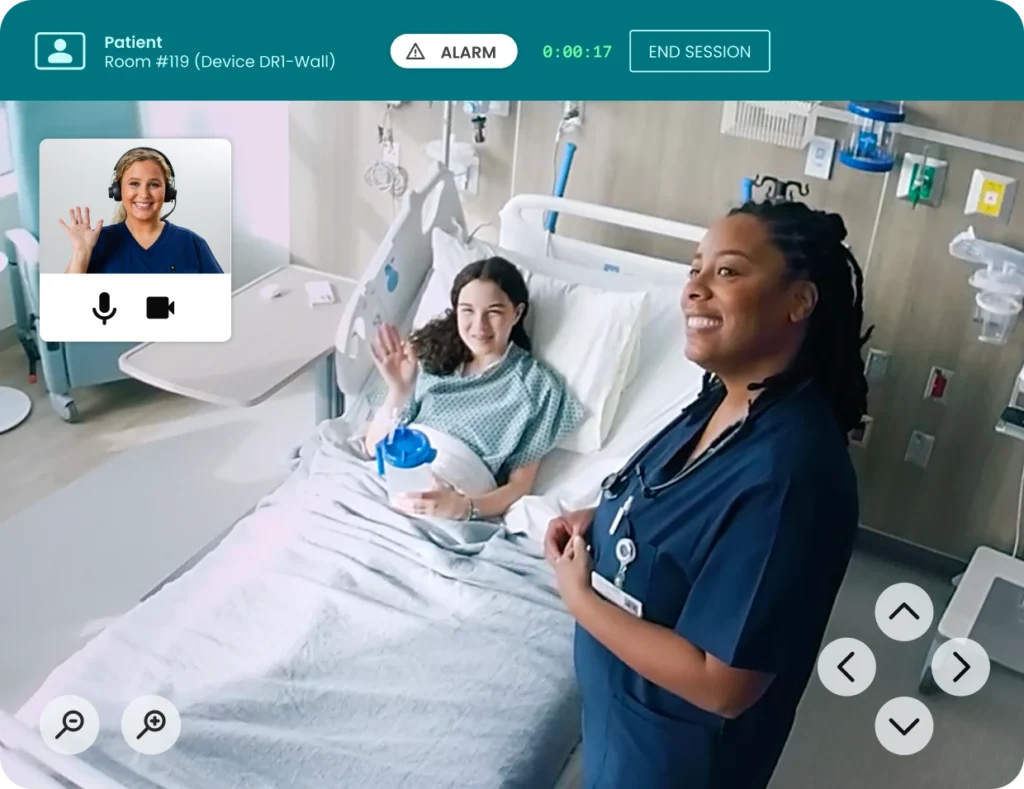
virtual nurse on video checks on patient in bed

More than half of U.S. nurses report burnout and ongoing mental health challenges — impacting both caregiver wellbeing and patient outcomes. 

National Nurses Week and Mental Health Awareness Month share the same calendar for good reason. The people we trust most with our lives are facing a crisis of their own. More than half of U.S. nurses report burnout and mental health challenges, impacting both caregiver wellbeing and patient outcomes. Burnout affects up to 56% of the nursing workforce, driven by high stress, chronic understaffing, and administrative burden. In recent years, there has been an influx of nurse walkouts and strikes. In January 2026, roughly 15,000 nurses in New York walked off the job in what became the largest nurse strike in the state’s history—a breaking point fueled by dangerous understaffing, rising workplace violence, and unsustainable workloads.” This moment presents an important opportunity to better support nurses and strengthen the care they provide every day. 

When nurses are overwhelmed, everyone feels it. Patient safety suffers. Staff turnover climbs. And the cycle only deepens. Our nurses give 12+ hours a day to caring for others — but who is caring for them? They are some of the most resilient people in any room, but resilience has its limits. Protecting the people who protect us is essential to the wellbeing of patients and staff alike. Among the many steps that can be taken, the most direct path forward is creating safer, more supportive care environments to support nurse wellbeing. 

The American Nurses Association (ANA) is leading that charge, advocating for mental health resources, workforce sustainability, and the recognition nurses have long deserved. This Nurses Week, join the movement: download the ANA Nurses Week social toolkit to celebrate and honor the nurses who show up for all of us, every single day. 

Technology That Supports Nurses — Not Adds to Their Burden

One way to create safer and more supportive environments for nurses is through virtual care, which plays a key role in reducing cognitive load and administrative tasks, improving staffing flexibility, and creating safer, calmer environments that support mental wellbeing. Improving nurse satisfaction and retention is the #1 reason health systems implement virtual nursing. 

Virtual nursing is reshaping how care teams work, both at the bedside and beyond. Through virtual platforms, nurses and care managers can support bedside teams in real time, helping to educate patients, streamline admissions and discharge paperwork, and automate documentation. This direct, uninterrupted access to patients reduces errors and gaps in the medical record, while freeing floor nurses to focus on what matters most: hands-on patient care. The result is a smarter, more intentional care model — one where RNs, CNAs, and virtual nurses each contribute based on their unique skills and experience, ensuring every patient interaction is handled by the right person at the right time. Beyond the bedside, virtual nursing tools also bridge the gap between hospital staff and external care providers, enabling real-time collaboration that streamlines care transitions and prevents delays in securing post-discharge services. 

Caring Out Loud: A Chief Clinical Officer’s Vision for Supporting Nurses 

AvaSure’s Chief Clinical Officer, Lisbeth Votruba, MSN, RN, FAONL, CAVRN, joined This Week Health’s Nurses Week podcast to talk about what nursing needs most right now and how technology makes it possible. 

A trained nurse practitioner and third generation nurse whose entrepreneurial spirit led her to AvaSure 14 years ago, Lisbeth champions the idea of getting back to old-fashioned, hands-on nursing care and sees ambient listening as one of the most direct paths to get there. Ambient listening is an AI-driven tool that works quietly in the background and can act as a workplace safety tool. If a nurse is feeling in danger, they can simply speak a wake word to trigger an alarm and get help. 

Additionally, ambient listening allows nurses to go hands-free while documenting and give their full attention to the patient — no big computer monitor in the way. Lisbeth introduced this concept as “caring out loud”: verbalizing documentation in real time to keep patients connected to their care while shining a light on everything nurses do. It is important to note that when it comes to documentation, nursing workflows can be more complex than physician workflows as they have less of a natural narrative structure. This is why Lisbeth emphasizes that this technology must be built around the nurse so that they do not have to change the way they interact with patients in order for the AI to document the correct takeaways:

“We want to make sure that the tools are trained to serve the nurses, not the nurses having to be trained to serve the tool.”  

– Lisbeth Votruba, MSN, RN, FAONL, CAVRN, Chief Clinical Officer at AvaSure

As Chief Clinical Officer at AvaSure, Lisbeth ensures nurses have a seat at the table, bringing the clinical lens necessary to redefine workflows and shape the future of care delivery. 

Virtual Care’s Real-World Effect on Nurses 

Virtual Care has been supporting nurses across the US, and there are results to prove it. Through scaling their virtual nursing program, Hackensack Meridian Health (HMH) saw outstanding results that directly benefitted their RNs: 

  • 26% reduction in RN overtime 
  • 65% reduction in RN traveler hours 
  • 9% decrease in documentation time for bedside staff 
  • 12% reduction in length of stay 

As their virtual care journey continues, HMH continues to create an improved environment for nurses, and saw a 28% decrease in RN turnover in the first seven months of their recent care units to go live with virtual nursing. 

Results like these prove how virtual care eases the workload on nurses, creating a healthier work environment for clinical staff, a better experience for patients, and a more efficient health system overall.

Empowering the Next Generation of Nurses 

Virtual nursing isn’t just transforming how we care for patients today; it’s helping to build the nursing workforce of tomorrow. New nurses entering the workforce are already under strain. Virtual nurses serve as an always-available resource for recent graduates and novice nurses — offering real-time mentorship, immediate feedback, and helping new clinicians grow. As virtual care becomes more integrated into hospital workflows and standard care delivery models, it is essential to prepare the next generation of nurses to thrive in this environment. This can include embedding virtual care training into new nurse onboarding and strengthening collaboration between academia and healthcare organizations to support smoother transitions from education to practice.

How AvaSure Cares for Nurses

Nurses are the backbone of healthcare, and for over 18 years, AvaSure has provided them with tools to protect, support, and empower their work. Our intelligent virtual care platform enables virtual care in a diverse range of settings and use cases, with advanced AI, flexible devices, a vast partner ecosystem, real-time insights, and world-class service and support team to guide you every step of your virtual care journey. 

AvaSure is committed to clinical partnership, not just technology delivery. Our clinical team is built by nurses, for nurses — and that foundation shapes everything from how the platform is designed to how it is deployed and supported. Our Clinical Implementation team is 100% nurses who maintain active RN licenses, and along with Chief Clinical Officer Lisbeth Votruba, MSN, RN, FAONL, CAVRN, and AvaSure’s Chief Nursing Executive Advisory Board, they lead the clinical vision behind AvaSure. Because AvaSure’s clinical experts have lived the realities of nursing, they are uniquely positioned to design virtual care solutions that reduce burnout rather than add to it. The result is a platform that nurses can embrace and trust. 

How to Support Nurses Every Day

National Nurses Week is once a year, but nurses deserve recognition every day. There is nothing more important than protecting those that care for us and consistently showing them our appreciation. AvaSure knows that building safer, healthier environments for nurses is an ongoing collaborative effort, and we are dedicated to making that commitment. From innovative monitoring solutions that reduce the physical and emotional burden on nursing staff, to fostering a culture where nurses feel seen, supported, and valued, AvaSure stands alongside the nursing community not just during National Nurses Week, but through every long shift, every difficult moment, and every triumph in between.

Contact us to see how AvaSure can start supporting your nursing team today.

Common Questions

Virtual nursing is the use of virtual care and advanced AI to assist bedside nurses and hospital staff by automating daily clinical workflows like administrative tasks, intake, rounding, admission & discharge, and more. The American Nursing Association describes virtual nursing as a resource that “support(s) the team at the bedside to alleviate the workload and provide greater satisfaction for both the patients and the nursing staff.” 

Nurse burnouts are caused by a number of factors, mainly including chronic understaffing, time-consuming administrative tasks, heavy workloads, workplace violence, long hours, and emotional fatigue. Burnout affects up to 56% of the nursing workforce. 

Creating safer and more supportive environments and listening to nurses’ needs is one of the best ways to prevent nurse burnout. Virtual care helps to prevent nurse burnout by reducing cognitive load and administrative tasks, improving staffing flexibility, and creating safer, calmer environments that support mental wellbeing

Through virtual nursing, nurses and care managers can support teams at the bedside to educate patients, complete admissions and discharge paperwork, automate documentation, and mentor more novice nurses. This allows virtual nurses to have direct, uninterrupted time with patients, leading to less errors or gaps in documentation and freeing up floor nurses to care for their patients at the bedside. This also ensures smoother transitions and shorter delays of care for patients. 

Virtual nursing helps with staffing shortages because it allows nurses to return to the bedside and focus on direct patient care, which reduces burnout, increases efficiency in managing workloads, and helps patients receive care more quickly. 

Virtual care tools can reduce workload, improve communication, and enhance patient monitoring—helping nurses focus on high-value care while minimizing stress and burnout. 

Organizations can invest in supportive technologies, prioritize safe staffing levels, provide mental health resources, and create environments where nurses feel heard and supported. 

National Nurses Week, observed each year from May 6–12, recognizes the vital contributions of nurses across the country. It’s also an important moment to spotlight the challenges they face and the need for meaningful support. 

The Rural Health Transformation Program (RHTP): How Virtual Care Can Benefit Rural Hospitals 

rural land

Key Takeaways:

  • The Rural Health Transformation Program (RHTP) provides $50B in CMS funding (2026–2030) to strengthen rural hospitals. 
  • States submitted transformation plans prioritizing technology, workforce resilience, and AI. 
  • Virtual nursing, TeleHealth, and tele-specialty consults directly align with RHTP goals. 
  • Hospitals can use RHTP funds to reduce falls, overtime, sitter costs, and specialty care gaps. 
  • Sustainable virtual care models reinvest efficiency savings beyond federal funding. 

What is the Rural Health Transformation Program (RHTP)?

Rural and community hospitals face critical workforce shortages and financial distress, with nearly half operating at a loss as of 2023, according to an AHA analysis of RAND Hospital Cost data. To address these pressures and improve care quality, Congress established the Rural Health Transformation Program (RHTP) under the 2025 One Big Beautiful Bill Act (OBBBA). This $50 billion Centers for Medicare & Medicaid Services (CMS) initiative (FY 2026–2030) provides $10 billion annually to strengthen rural healthcare and offset projected funding gaps. 

How CMS Administers RHTP Funding

States are the direct recipients and had to submit a Rural Health Transformation Plan for CMS approval. Half of the funding is divided equally among participating states—guaranteeing at least $100 million per year for five years if all states join—while the other half is distributed via a CMS formula. This massive pool supports infrastructure, technology, and workforce improvements for nearly 1,800 rural hospitals and 60 million residents.

How Critical Access Hospitals (CAHs) Benefit from RHTP Funding 

While all rural providers are eligible, the nation’s 1,350 Critical Access Hospitals (CAHs) stand to benefit most, particularly in the Midwest and states like Texas, Iowa, and Kansas. By investing in these hospitals, the RHTP aims to prevent closures, preserve essential services like emergency and maternity care, and improve health outcomes in rural America.

Contact AvaSure to discuss how you can use RHTP funding for virtual care.

How can telehealth and virtual care benefit rural hospitals? 

RHTP applications from numerous states have revealed a priority among rural hospitals: the use of telehealth and virtual care to help extend and improve care where things like specialty care are often unavailable.

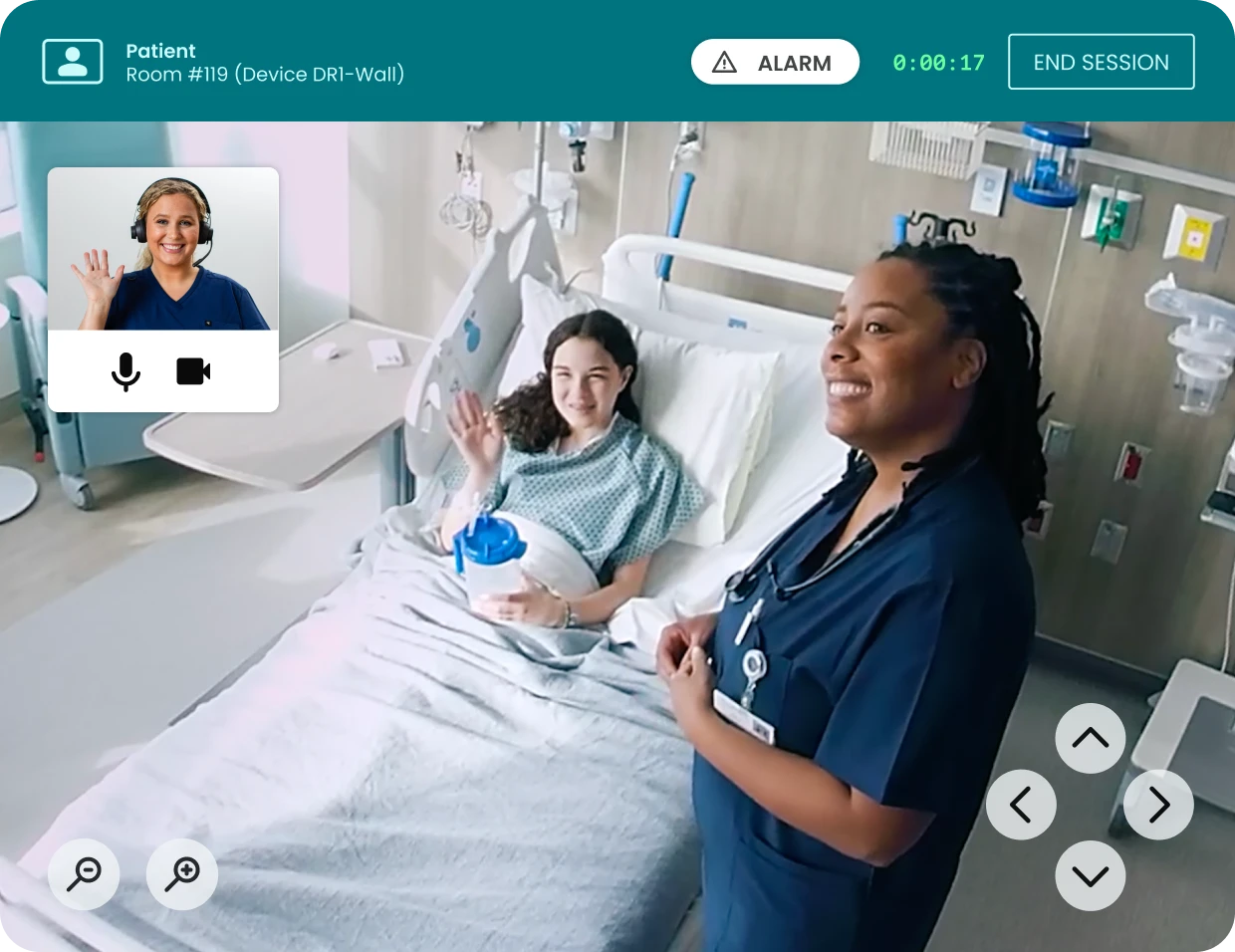
virtual nurse checking in on patient and bedside nurse

By integrating telehealth, rural facilities can bridge the “specialty gap,” allowing local doctors to consult with world-class neurologists or cardiologists in real-time without transferring the patient. This “keep it local” approach not only improves patient outcomes during emergencies but also stabilizes the hospital’s finances by retaining admissions and reducing the reliance on expensive traveling staff. In addition, by leveraging AI and virtual care, rural hospitals can expand local access and boost financial sustainability while delivering higher-quality care. These innovations do more than just improve patient outcomes and ROI; they actively reduce safety risks like falls, alleviate staff burnout, and foster collaborative models of care. See how Hackensack Meridian Health improved nurse satisfaction and patient outcomes through virtual nursing. 

How do states plan to use their funding for the Rural Health Transformation Program (RHTP)? 

States submitted plans in December 2025 that had to meet specific criteria defined by CMS. Funding for these plans was released in January 2026. The plans had to address how hospitals will: 

  • Prioritize the use of new and emerging technologies including AI to improve rural health outcomes 
  • Improve access to care locally 
  • Enhance quality metrics for rural patients 
  • Foster partnerships (e.g. small hospitals collaborating with larger systems) and ensure financial stability of rural providers 
  • Tackle causes of rural hospital closure 

How can hospitals leverage RHTP funding? 

1. Engage State RHTP Leadership 

Coordinate with your state health department or Medicaid agency to include virtual care in your Rural Health Transformation Plan. Highlight its impact on workforce resilience and patient safety. 

2. Develop a Turnkey Proposal with AvaSure 

Work with AvaSure to submit a fundable plan covering: 

  • Platform deployment and configuration 
  • Clinical and operational workflow redesign 
  • Staff training and ongoing support 
  • Continuous performance measurement 

3. Measure and Report Outcomes 
 
To strengthen your case, align the stated goals to the RHTP program and track them. The outcomes that AvaSure has benchmarked with partner hospitals with virtual care programs are:  

  • 72% improvement in 1:1 sitter usage 
  • 11.6% improvement in length of stay 
  • 26% improvement in RN overtime 
  • 30-50% improvement in falls  

4. Build a Sustainable Model 

Reinvest efficiency savings and improved performance outcomes to sustain virtual nursing operations post-RHTP funding. 

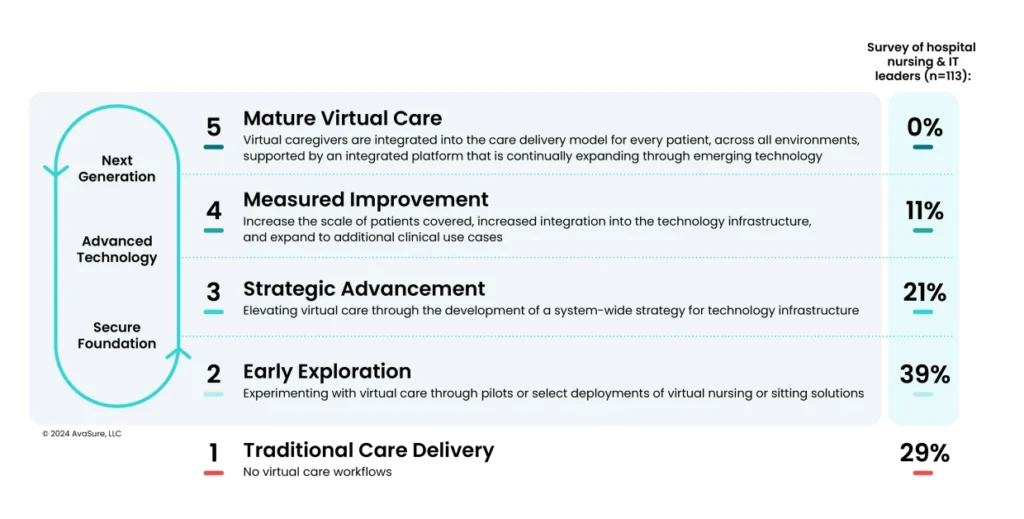
AvaSure’s maturity model provides a strategic roadmap for health systems to transition from initial pilots to a fully integrated virtual care delivery system. It serves as a vital framework for leaders to benchmark their current capabilities and identify the specific infrastructure and workflow milestones required to reinvest efficiency savings and sustain high-performance virtual nursing long after the conclusion of RHTP funding. 

avasure's maturity model

How AvaSure Aligns with the Rural Health Transformation Program 

AvaSure, the industry leader in virtual nursing and continuous patient monitoring, helps hospitals extend nursing capacity, reduce falls and sitter costs, and enhance care quality through a proven operational model. AvaSure’s virtual care platform is fully aligned with RHTP’s focus on technology-enabled workforce transformation.  
 
RHTP Funding Categories Supported by AvaSure: 

  • Workforce development and modernization 
  • Technology-enabled patient care and safety 
  • Training and technical assistance 
  • Quality and efficiency improvement initiatives 

The Rural Health Transformation Program prioritizes initiatives that stabilize and modernize the healthcare workforce, improve patient safety, and enable sustainable operations in rural hospitals. AvaSure supports all three objectives by bringing virtual nursing and continuous observation into daily hospital operations: 

  1. Virtual Nursing: Augments bedside teams with remote nurses who handle admissions, discharges, and patient education to reduce admin burden. 
  2. Continuous Observation (TeleSitting): Centralized video observation reduces falls, elopements, and 1:1 sitter costs. 
  3. Specialty Consults: Consult with specialists in another location to expand care without having to move your patient.  

      This in turn leads to benefits such as:  

      • Workforce Flexibility: Reduces overtime, improves staff retention, and increases productivity.
      • Patient Safety: Delivers continuous monitoring and rapid response support. 

      Ultimately, access to care and physician specialists remains one of the most pressing challenges for rural hospitals, leading many to prioritize specialty health and telehealth consults in their strategic applications. To effectively remedy these gaps, it is essential to select a virtual care platform that leverages the specific partnerships necessary to bridge the distance between patients and specialized expertise.

      How Can AvaSure Help?

      AvaSure’s partnership with Equum Medical, a telehealth-enabled clinical workforce organization, will provide rural hospitals with easy access to virtual specialty consults. The company’s broad portfolio of services addresses the driving challenges of Access and Capacity for health systems, including multi-specialty telemedicine, critical care, virtual nursing, virtual sitter monitoring, and telemetry. Solutions include:  

      • Inpatient tele-specialty consults (e.g., neurology/stroke, psychiatry, cardiology, nephrology, infectious disease, pulmonology, and more) 
      • Tele-ICU and critical care support, including surge capacity and after-hours coverage 
      • Virtual hospitalist support for nights, weekends, and hard-to-staff locations 
      • Care coordination that helps reduce avoidable transfers, keep patients local, and support patient flow with integrated virtual nursing capabilities across care venues 

      These solutions strengthen financial sustainability while offering scalable, broadband-friendly technology specifically designed for the unique constraints of rural settings. Unlike typical telehealth partnerships that add separate point solutions, the integrated model runs on a single platform that many hospitals already use for virtual nursing and patient observation, paired with Equum’s physician and clinical programs. 

      Your RHTP Virtual Care Strategy 

      AvaSure equips rural hospitals with innovative virtual care and AI-powered solutions that expand local access, enhance care quality, and strengthen financial sustainability. By reducing adverse events like patient falls, easing workforce burdens, and fostering collaborative models of care, AvaSure helps rural providers meet and exceed the goals of the Rural Hospital Transformation Program.

      Schedule a strategy consultation with AvaSure to explore how RHTP funding can support your virtual care roadmap. 

      The Comprehensive Guide: How Can AI Be Used in Healthcare and Patient Care? 

      ai in healthcare, virtual sitting,

      In recent history, no technology has so quickly penetrated the cultural zeitgeist as artificial intelligence (AI). At an ever-increasing pace, AI is being hailed as a transformative force capable of revolutionizing industries worldwide, and healthcare is no exception. Companies across the globe are racing to utilize AI to automate, simplify, and rationalize manual tasks across every sector, recognizing its potential to solve some of the most persistent, existential challenges facing modern healthcare systems. 

      For years, healthcare has grappled with tremendous cost pressure, chronic staffing shortages, and an overwhelming administrative burden contributing to high rates of clinician burnout. Hospitals have focused on utilizing technology to drive significant change through the digitization of documentation, consolidation of health systems, and the virtualization of traditional care models. However, often these tools – while helpful -have not delivered the seamless simplicity, actionable insights, or scale necessary to alleviate the core pressures. 

      The integration of AI, particularly into technologies like intelligent virtual care platforms, represents a critical shift. It moves us beyond mere digitization to intelligent automation. This guide delves deeply into the capabilities, benefits, challenges, and practical steps necessary for healthcare organizations to effectively harness the power of AI, transforming it from a passing technology trend into a reliable foundation for the future of patient care. 

      The Core Technologies Driving AI in Healthcare 

      The umbrella term “Artificial Intelligence” encompasses several distinct technologies, each with unique applications in a clinical setting. To understand how AI can reshape patient care, it is essential to explore these core components in depth. 

      What is Machine Learning (ML) and Deep Learning?: The Engine of Modern AI 

      Machine Learning is a subset of AI where systems learn from data, identify patterns, and make decisions with minimal human intervention. Deep Learning, a more advanced form of ML, utilizes artificial neural networks with multiple layers to process complex data, like medical imaging, genomic sequences, or patient physiological data, allowing for highly sophisticated pattern recognition. 

      Real-World Application: ML models are primarily used in diagnostics and risk stratification. For example, Deep Learning algorithms can be trained on millions of historical electrocardiograms (ECGs) to detect subtle, early signs of atrial fibrillation or myocardial infarction that a human eye might miss. Similarly, in genomics, ML helps identify genetic markers that predispose a patient to certain diseases, paving the way for truly personalized medicine. 

      What is Natural Language Processing (NLP)?: Transforming Unstructured Data 

      Healthcare data is notoriously messy. A vast majority of critical patient information – physician notes, discharge summaries, radiology reports, and dictated records – is locked away in unstructured text formats. Natural Language Processing (NLP) is the branch of AI that enables computers to understand, interpret, and generate human language. 

      In-Depth Use Cases: 

      • Clinical Documentation: NLP converts free text or speech into structured data, automatically populating electronic health records (EHRs). This drastically reduces the time clinicians spend on administrative tasks. 
      • Sepsis Detection: Advanced NLP algorithms can scan unstructured notes in the EHR, looking for phrases like “patient looks pale,” “fever spiking,” or “lactic acid elevated,” and combine this with structured data to generate an early warning score for sepsis, often hours before traditional systems would flag the risk. 
      • Information Retrieval: NLP allows researchers and clinicians to query massive datasets of patient records, finding patterns in treatment efficacy and outcomes that would be impossible to manually extract. 

      What is Conversational AI and Virtual Assistants?: Bridging the Communication Gap 

      Conversational AI uses a combination of NLP, machine learning, and dialogue management to enable human-like interactions. In healthcare, this manifests as chatbots, virtual assistants, and intelligent patient portals.

      Patient-Facing Applications: 

      • Triage and Scheduling: AI chatbots can handle initial patient queries, symptoms assessments, and guide patients to the appropriate level of care, or automatically schedule appointments, significantly reducing the workload on call centers. 
      • Patient Education and Support: Post-discharge, AI can send automated, personalized check-ins and educational content tailored to the patient’s specific condition, ensuring adherence to recovery plans and monitoring for red-flag symptoms. 
      • Medication Reminders: Virtual assistants can provide timely reminders about medication adherence, which is crucial for managing chronic diseases. 

      Why is Predictive Analytics Important? Forecasting Health Outcomes 

      Predictive analytics mines vast amounts of aggregated data, including patient history, real-time physiological metrics, environmental factors, and demographic information to plug into algorithms that project future events or risks. 

      Key Applications in Risk Mitigation: 

      • Readmission Risk: Hospitals use predictive models to flag patients at high risk of readmission within 30 or 90 days of discharge, allowing care coordinators to intervene proactively with resources, patient education, or follow-up appointments. 
      • Sepsis and Cardiac Arrest: By continuously analyzing streaming patient data from monitors and EHRs, predictive analytics can generate real-time risk scores, giving care teams precious hours to intervene before a life-threatening event occurs. 
      • Population Health: For public health, predictive models forecast disease outbreaks, hospital capacity needs, and resource allocation requirements during crises like pandemics. 

      What is Computer Vision and AI-Powered Imaging?: Enhancing Diagnostics and Safety 

      Computer Vision (CV) is the technology that enables AI systems to derive meaningful information from digital images, video, and other visual inputs. Its application in healthcare is rapidly expanding from the laboratory to the bedside. 

      In-Depth Use Cases: 

      • AI-Powered Imaging Diagnostics: CV algorithms are trained to analyze medical images (X-rays, CT scans, MRIs, pathology slides) to detect subtle anomalies that may indicate early-stage disease. A critical real-world example is the use of AI tools to rapidly identify pulmonary nodules in CT scans or to flag microcalcifications in mammograms, enabling earlier detection and treatment of lung and breast cancer. 
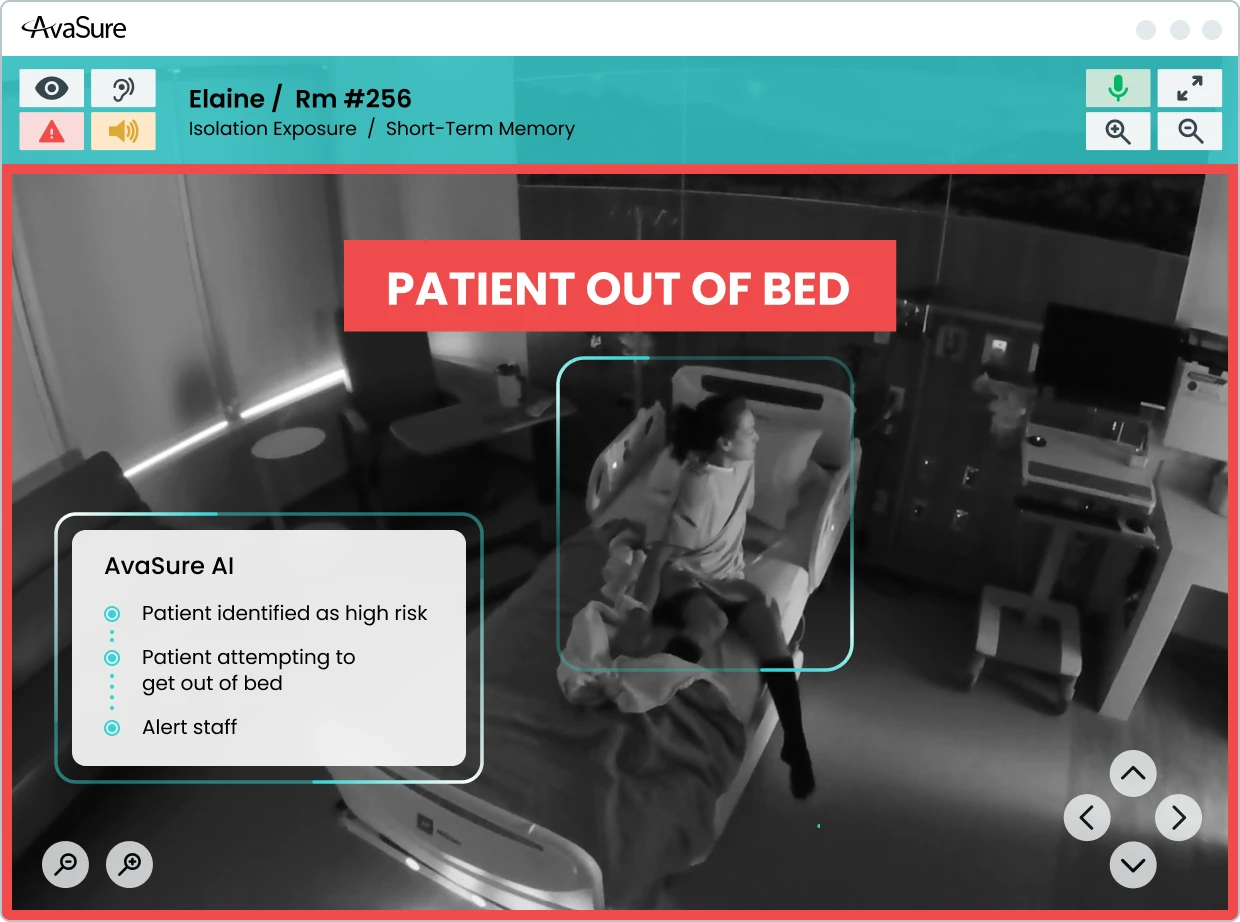
      • Patient Safety Observation: At the bedside, sophisticated CV systems embedded in virtual care devices like the AvaSure platform monitor patient movement in real-time. These systems can identify high-risk behaviors, such as a patient attempting to climb out of bed or a visitor violating isolation protocols, and issue immediate, actionable alerts to a remote observer. This proactive monitoring dramatically reduces the occurrence of Never Events like patient falls and the development of hospital-acquired pressure injuries (HAPIs) by intervening before injury occurs. 

      Why Ambient Listening is Important: Alleviating Clinician Burden 

      Ambient listening technology uses microphones to capture conversations, typically between a patient and a clinician, and then employs NLP to transcribe and structure the content. This is distinct from NLP in that it is designed for a live, real-time clinical encounter. 

      Use Case: Clinical Scribing: The primary application is to automatically draft clinical notes. Instead of typing into the EHR during or immediately after an encounter, the clinician can focus entirely on the patient. The AI listens, captures key phrases like medical terms, diagnoses, orders, and action items, and populates the patient’s chart, saving hours of administrative time and directly combating clinician burnout. 

      AI’s Direct Impact: What are the Benefits of AI for Patients and the Patient Experience? 

      While much of the early AI focus centered on efficiency and cost savings for hospitals, the most profound impact of this technology is on the patients themselves: improving safety, quality of life, and the overall healthcare experience. 

      Personalized Medicine and Treatment Planning 

      AI’s ability to process complex, multi-modal data is the backbone of precision medicine. By integrating a patient’s genomic data, electronic health record, lifestyle information, and even wearable device data, AI can create a highly detailed, predictive portrait of their health. This allows physicians to: 

      • Tailor Drug Dosing: Determine the exact medication and dosage that will be most effective for a patient based on their genetic makeup, minimizing adverse reactions. 
      • Optimize Treatment Paths: Predict how a patient’s cancer will respond to specific chemotherapy or radiation protocols, adjusting the plan in real-time based on AI-driven feedback loops. 

      Enhanced Patient Experiences through Virtual Assistants 

      A hospital stay can be confusing and stressful. AI-powered virtual assistants are beginning to serve as in-room digital concierges, empowering patients and reducing the need for non-clinical nursing interruptions. 

      • Simple Request Fulfillment: Patients can use voice commands or a tablet interface to request essential, non-urgent services, such as a blanket, a meal menu, or adjustment of room temperature, which are then automatically routed to the appropriate department. 
      • Information Access: The virtual assistant can answer common questions about the hospital facility, discharge procedures, or medication schedules, providing instant information and reducing the burden on clinical staff. 

      Personalized Patient Education and Engagement 

      General patient handouts often fail to resonate. AI can dynamically generate educational content that is tailored to a patient’s: 

      • Health Literacy Level: Adjusting complexity and vocabulary to ensure understanding. 
      • Specific Context: Focusing education on the exact medications or procedures the patient has undergone. 
      • Preferred Language: Offering information in native languages, improving comprehension and adherence. 

      How Do You Expand Access with AI in Telemedicine Services? 

      AI is fundamentally changing the delivery model of telemedicine, allowing for remote care to be more sophisticated and scalable. 

      • Virtual Nursing Support: Virtual Nursing programs leverage remote clinicians to assist with tasks like admissions, discharges, medication reconciliation, and patient education. AI enhances this by identifying which patients require an immediate virtual check-in based on real-time risk scores and physiological data, allowing remote nurses to prioritize their attention to where it is needed most. 
      • Remote Diagnostics: AI-enabled tools allow general practitioners in rural settings to upload specialized images or data (e.g., dermatological pictures or retinal scans) that are instantly analyzed by AI for preliminary diagnosis before being sent to an off-site specialist for final review. 

      Navigating the Complexities: What are the Challenges and Ethical Considerations of AI?

      The transformative potential of AI is matched by significant challenges, particularly concerning ethics, data, and regulatory oversight. Ignoring these issues risks undermining the very trust AI is intended to build. 

      The Critical Need for Trust and Transparency (Explainability/XAI)

      One of the most persistent issues in AI is the “black box” problem. Many sophisticated deep learning models are so complex that even their designers struggle to articulate why a particular decision was made. In healthcare, where decisions can be life-altering, this lack of data interpretability is unacceptable. 

      • Explainable AI (XAI): The imperative is to develop XAI tools that can not only provide a diagnosis or risk score but also show the underlying data and logic used to arrive at that conclusion. Clinicians need confidence in the tool, and patients deserve to know why a treatment path was recommended. 
      • Validation of AI Models: Before deployment, every AI model must undergo rigorous validation using external, real-world data sets to ensure it performs accurately and consistently across diverse patient populations. 

      Validation, Verification, and the Risk of Hallucinations 

      AI systems, particularly large language models (LLMs) used in conversational AI, are susceptible to hallucinations – generating plausible-sounding but factually incorrect information. In a clinical context, a hallucination could lead to a catastrophic medical error. 

      • Verification: Implementing AI systems requires robust verification loops, ensuring that AI-generated clinical notes, suggested diagnoses, or treatment plans are always reviewed and approved by a qualified human clinician before execution. 
      • Model Drift: Healthcare systems must continuously monitor AI performance because models can “drift” over time as new patient data or clinical protocols emerge, making the original training data less relevant. 

      Addressing Bias and Ensuring Ethical AI Decisions 

      AI is only as objective as the data it is trained on. If a training dataset over-represents one demographic (e.g., white, male, high-income patients) and under-represents another (e.g., minority, low-income, geriatric patients), the resulting AI model will be inherently biased. 

      • Health Equity: Deploying biased AI systems can exacerbate existing health inequities by systematically under-diagnosing, over-diagnosing, or recommending suboptimal treatment for under-represented groups. 
      • Ethical Implications of AI Decisions: Organizations must establish clear guidelines for when an AI’s recommendation can be overridden, who is accountable when an AI decision leads to an adverse event, and how the system promotes fairness and equity in access to care. 

      Regulatory Hurdles and Data Governance 

      The deployment of AI tools that actively influence diagnosis and treatment requires stringent regulatory approval, typically from the FDA. Unlike a software update, a change to the AI model itself may require a new review. Furthermore, data governance is paramount: 

      • HIPAA Compliance: All healthcare AI must adhere to strict privacy regulations (like HIPAA in the US) regarding the collection, storage, and processing of protected health information (PHI). 
      • Data Security: AI requires massive amounts of data, making the security of these large repositories a top concern to prevent breaches and maintain patient trust. 

      A Practical Roadmap: How Do You Implement AI in Healthcare Organizations? 

      The adoption of AI should not be a scramble for the latest gadget, but a deliberate, strategic investment. Healthcare organizations need a practical, stepwise approach to implementation to maximize return on investment and clinical benefit. 

      Stepwise Adoption: Aligning Needs and Goals 

      Paul White, Distinguished AI Engineer for AvaSure reminds us, “It is important to take a stepwise approach to adoption. Many companies are rolling out AI solutions geared towards creating new efficiencies or solving different issues within the hospital setting. Therefore, the first step should be identifying companies that are building AI solutions that address most crucial areas of need.” 

      The initial phase must focus on organizational readiness and strategic alignment: 

      1. Assess Readiness: Evaluate existing IT infrastructure, data governance protocols, and the quality of historical data. AI relies on clean, accessible data. 
      1. Identify Crucial Areas of Need: Do not implement AI just for the sake of it. Where are the organization’s most acute pain points? Is it staff retention, patient falls, sepsis mortality, or long wait times? The AI solution must directly address a high-priority problem. 
      1. Define Success Metrics: Clearly define what success looks like before implementation (e.g., “Reduce patient falls by 50% in the first year,” or “Decrease time spent on charting by 2 hours per nurse per shift”). 

      Prioritizing Use Cases for Maximum Impact 

      Once organizational needs are identified, organizations can align those needs with the AI technology that offers the most immediate, tangible solution. 

      Example 1: Addressing Clinician Burnout

      • Need: Excessive administrative burden, high EHR time. 
      • AI Solution: Leveraging AI Clinical Documentation/Scribing solutions (Ambient Listening/NLP) is a great choice for alleviating administrative burden and allowing clinicians to refocus on patient care. 

      Example Two: Mitigating Never Events 

      • Need: High incidence of falls, Hospital-Acquired Pressure Injuries (HAPIs), Hospital-Acquired Infections (HAIs). 
      • AI Solution: Partner with Virtual Care companies leveraging computer vision to mitigate the occurrence of these events. AI monitors the patient’s room 24/7, detects high-risk actions (e.g., a patient reaching for a line), and alerts a remote observer before the patient falls, turning reactive care into proactive prevention. 

      Build, Buy, or Partner? 

      A critical strategic decision is whether to develop an AI system internally or acquire a solution from an external vendor. 

      • Build (Internal Development): Requires massive internal investment in data scientists, ML engineers, and clean training data. This is typically only feasible for the largest health systems with deep research capabilities. 
      • Buy (Vendor Solution): The most common path. Healthcare organizations can purchase validated, ready-to-deploy solutions. Paul White adds, “It is crucial to understand and align with a vendor whose ethos matches your own.” Look for vendors who demonstrate a commitment to: 
        • Clinical Validation: Providing proof of concept and third-party validation studies. 
        • Seamless Integration: Ensuring the AI solution integrates smoothly with existing EHRs and virtual care infrastructure. 
        • Ethical AI: Showing commitment to transparency, minimizing bias, and data security. 

      Change Management and Clinician Buy-in 

      No matter how powerful the technology, AI implementation will fail without clinician support. The fear that “AI will replace my job” must be addressed head-on. 

      • Focus on Augmentation, not Replacement: Position AI as a “co-pilot” or intelligent assistant that removes tedious tasks, enhances diagnostic capability, and reduces cognitive load, allowing clinicians to practice at the top of their license. 
      • Training and Workflow Integration: Training should focus less on the technology of AI and more on how it seamlessly fits into and improves the existing clinical workflow. 

      Looking Ahead: What are the Future Trends of AI in Healthcare? 

      The integration of AI into healthcare is not an end point, but the beginning of a new era of medical practice. The next decade promises even more radical transformation. 

      Deeper Integration of Virtual and In-Person Care 

      Anticipated technological advancements will blur the lines between virtual and physical care: 

      • Ubiquitous Sensors: Low-cost, non-invasive sensors (wearables, smart textiles, in-room monitoring) will feed continuous, high-fidelity physiological data into AI systems. 
      • Closed-Loop Automation: AI will move beyond alerts to initiating automated actionsfor example, automatically adjusting IV pump rates based on real-time blood pressure data, or using an in-room virtual care platform to deliver a two-minute therapeutic intervention immediately after a patient is flagged as high-anxiety. 

      The Era of Tech-Healthcare Collaborations 

      The future will be defined by strategic partnerships between leading technology firms (Google, Microsoft, NVIDIA, etc.) and pioneering healthcare organizations. These collaborations are essential because tech companies bring computational power and AI expertise, while healthcare partners bring critical, proprietary clinical data and workflow knowledge. This synergy will accelerate the development of lifesaving, regulated AI solutions. 

      AI as a True Co-Pilot for Healthcare Delivery 

      In the long term, AI will function as a true co-pilot for every member of the care team: 

      • For Radiologists: AI systems will triage scans, flagging critical cases and providing initial measurements, allowing the human expert to focus their attention and time on complex diagnoses. 
      • For Surgeons: AI will assist in pre-operative planning, intra-operative guidance using computer vision for precision, and robotic assistance, leading to safer, more reproducible outcomes. 
      • For Nurses: AI-enabled virtual care will handle many of the repetitive safety checks and administrative tasks, allowing nurses to spend their time at the bedside engaging in therapeutic communication, complex problem-solving, and providing the essential human touch that AI can never replace. 

      Conclusion: Fact vs. Fiction 

      AI is no longer a futuristic concept; it is a present-day reality that is already driving efficiency and saving lives. The technologies, from Machine Learning diagnostics to Computer Vision patient safety platforms, are primed for widespread adoption. By taking a thoughtful, stepwise, and ethically sound approach to implementation, healthcare organizations can ensure that they are not just adopting a new technology, but building a more resilient, efficient, and patient-centric healthcare system for the next generation. 

      To learn more about the reality of AI adoption in the clinical setting, watch our Webinar featuring Aaron Miri, Senior VP and Chief Digital and Information Officer of Baptist Health and Elizabeth Gunn, VP of Patient Services for Baptist Medical Center South: AI in Healthcare: Fact vs. Fiction