1:1 Patient sitters are costly and inefficient. As a result, many healthcare organizations are expanding their TeleSitter® programs.
Solution
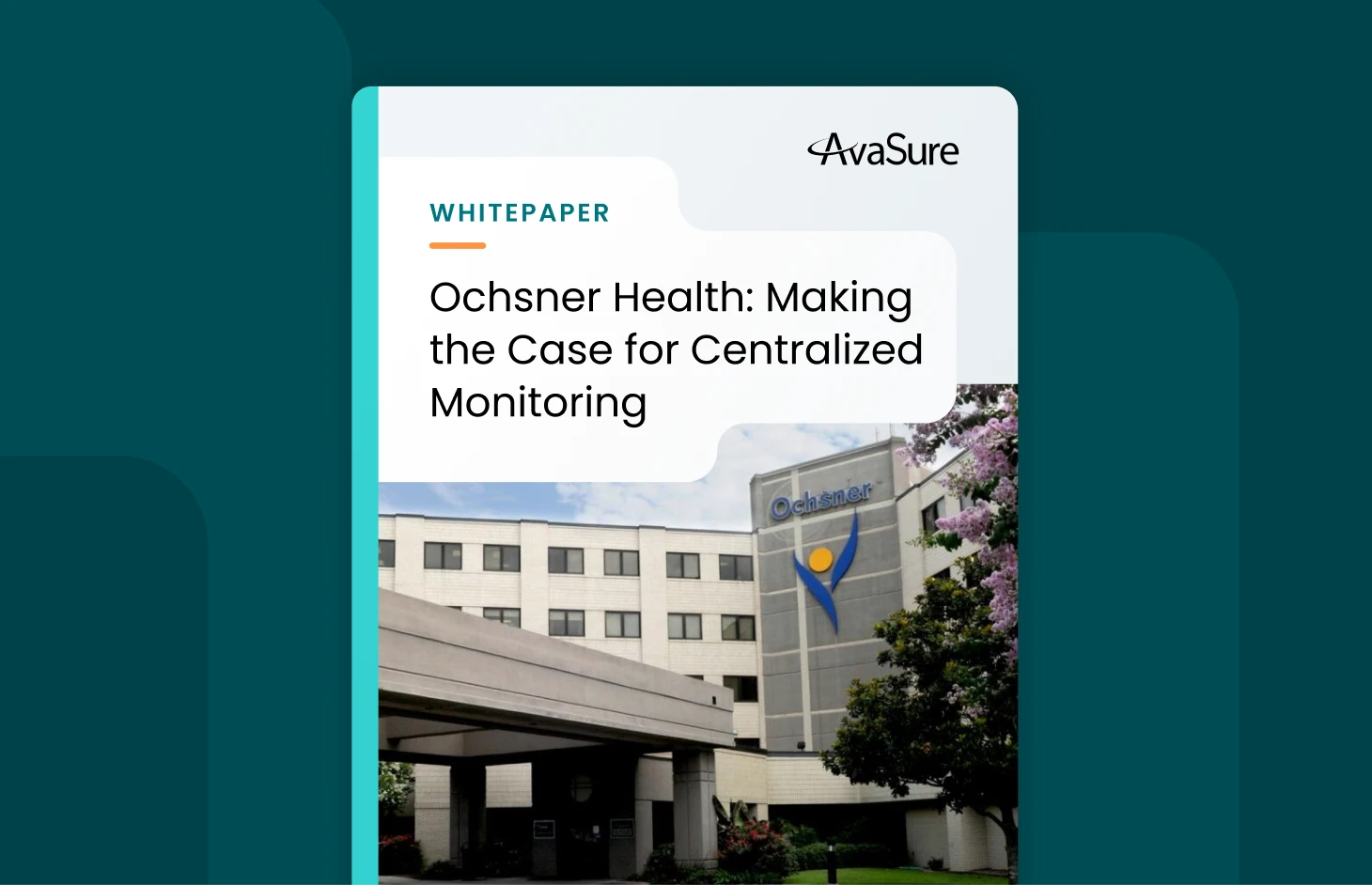
A hub-and-spoke model enables a dedicated monitoring staff to work from a remote “hub” with one or more large observation stations With a hub-and-spoke model, dedicated monitoring staff work from a remote “hub” with one or more large observation stations. Each staff member uses room devices to watch between 12 and 16 patients across various facilities or “spokes” across a metropolitan area, state, or region. This enables one trained staff member to proactively keep multiple patients safe.
Cost avoidance strengthens the return on investment (ROI) of the TeleSitter® solution One fall can cost $1,500, and a fall with an injury can cost much more. Ochsner Health benchmarks both system and TeleSitter fall rates and has found that the fall rate is almost nonexistent compared with the system fall rate—a clear indication of a good ROI.
90% cost reduction with the TeleSitter® solution
With the TeleSitter® solution, 8 to 9 technicians can monitor 90 to 108 patients—an approximate 1:12 ratio
AvaSure estimates that the TeleSitter® solution costs less than $3 per patient monitoring hour. Ochsner Health’s experience has been consistent with these findings
Expanding clinical case uses Although fall prevention is often the reason hospitals implement the TeleSitter® solution, there are a range clinical uses that improve patient and staff wellbeing. Remote safety monitoring can also play an important role in workplace violence prevention.
The potential to integrate TeleSitter program capabilities into other centralized services Looking ahead, Ochsner Health believes its TeleSitter program will play a central role in providing a consistent virtual experience for patients and the potential to integrate its TeleSitter program capabilities with other centralized services.
“Many times, we put patients on camera to watch for respiratory distress, rather than for falls. If the remote monitor staff saw signs of respiratory distress, they escalated to the rapid response teams and called the bedside teams if intervention was needed.”
-Jennifer Humbert, MSN, RN, Assistant Vice President of Telemedicine at Ochsner Health
Read our white paper where peer-reviewed articles and presentations validate AvaSure TeleSitter’s success in improving safety, quality, and productivity outcomes.
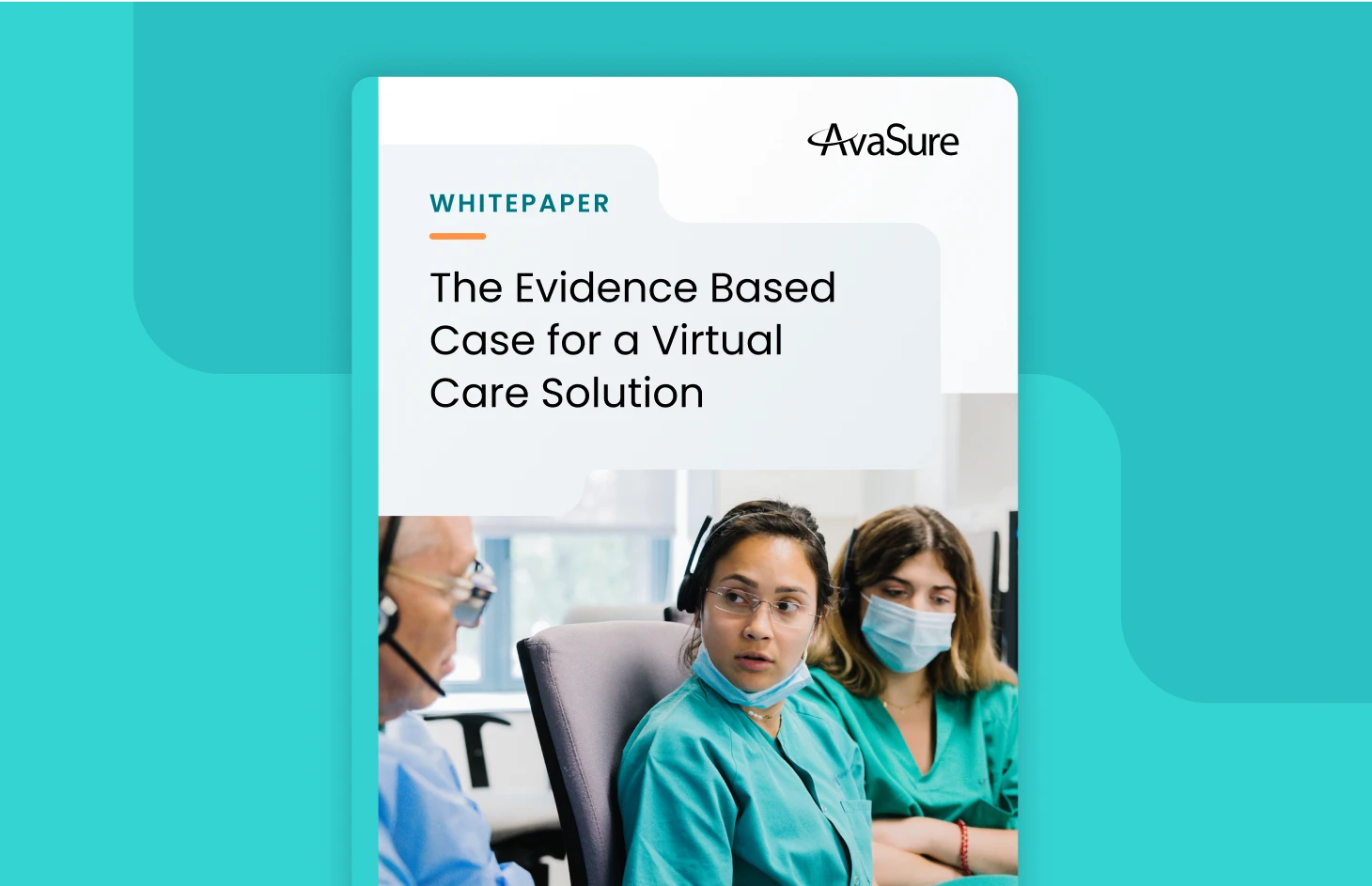
Summary
In 2008, AvaSure devised a remote observation technology called the TeleSitter to help hospitals reduce the cost of using one-on-one sitters to avert patient harms. Fourteen years later, that application has evolved into a complete patient observation, communication and analytics solution that improves safety, productivity, and the experience of care. Avasure prizes its technological innovation, but what truly sets it apart is not the new hardware or software; it is evidence-based improvement.
Early on, AvaSure recognized the need for a clinical program to help hospitals and health system…
Provide your information to download the full white paper
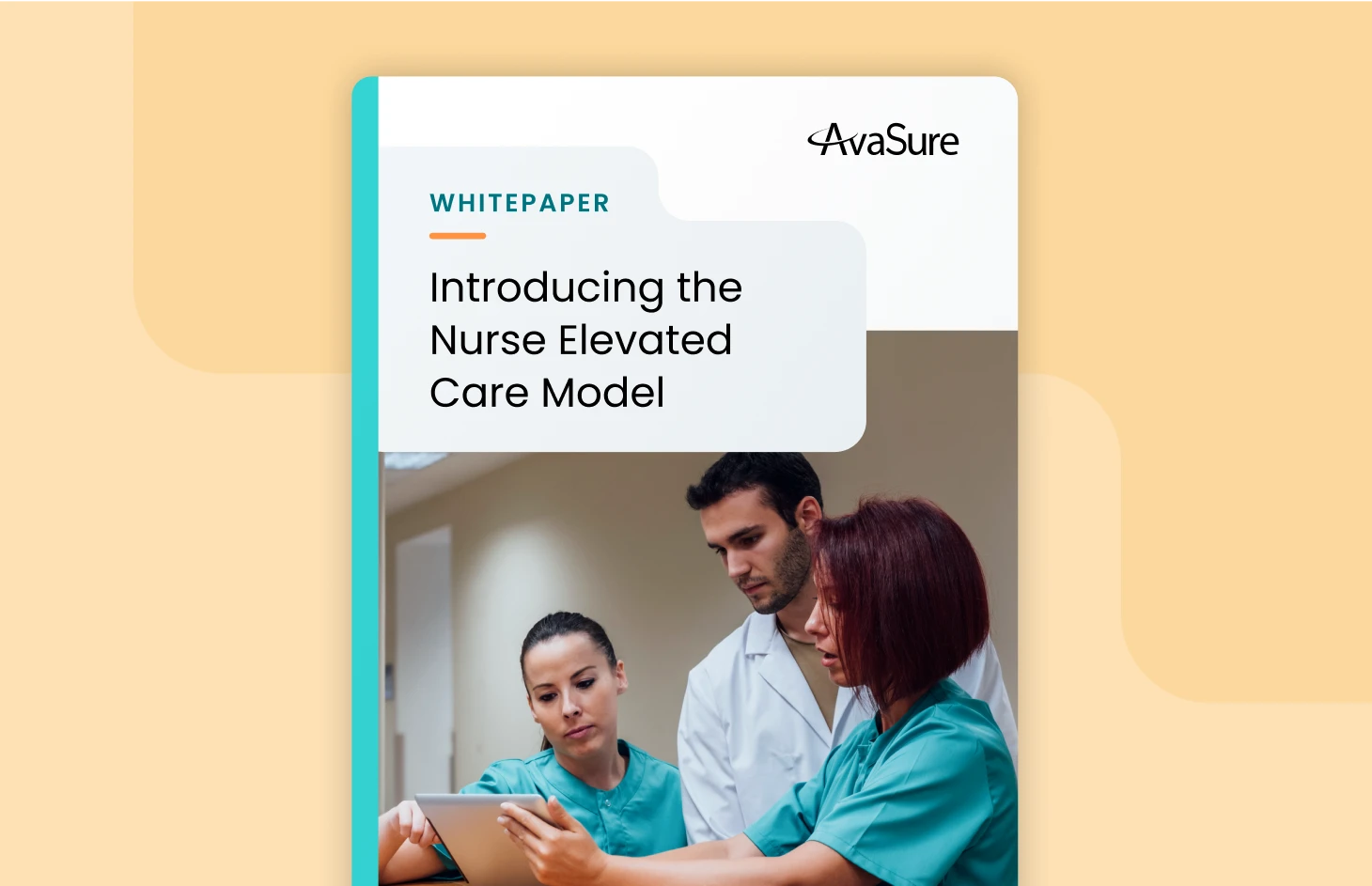
Read our white paper on how the Nurse Elevated Care Model can help reduce labor costs and allow bedside nurses to spend more hands-on time with patients.
Summary
Nursing shortages, patient acuity increase and an uptick in behavioral health challenges have created a perfect storm in healthcare. Nurses are being stretched too thin, constantly asked to do more with less resulting in 52% of nurses considering leaving the bedside when shortages are already at an all time high. This environment forces hospital leadership to think differently about how technology can help create a new model of care delivery.
Introducing the Nurse Elevated Care Model by AvaSure. An augmented care environment where a virtual team provides support – offloading documentation burden, providing a second set of eyes on complex patients and helping to close growing experience/complexity gap in nursing – to the bedside team. This model of care helps health systems reduce labor costs while liberating their bedside nurses to provide elevated, hands-on patient care.
Provide your information to download the full white paper.
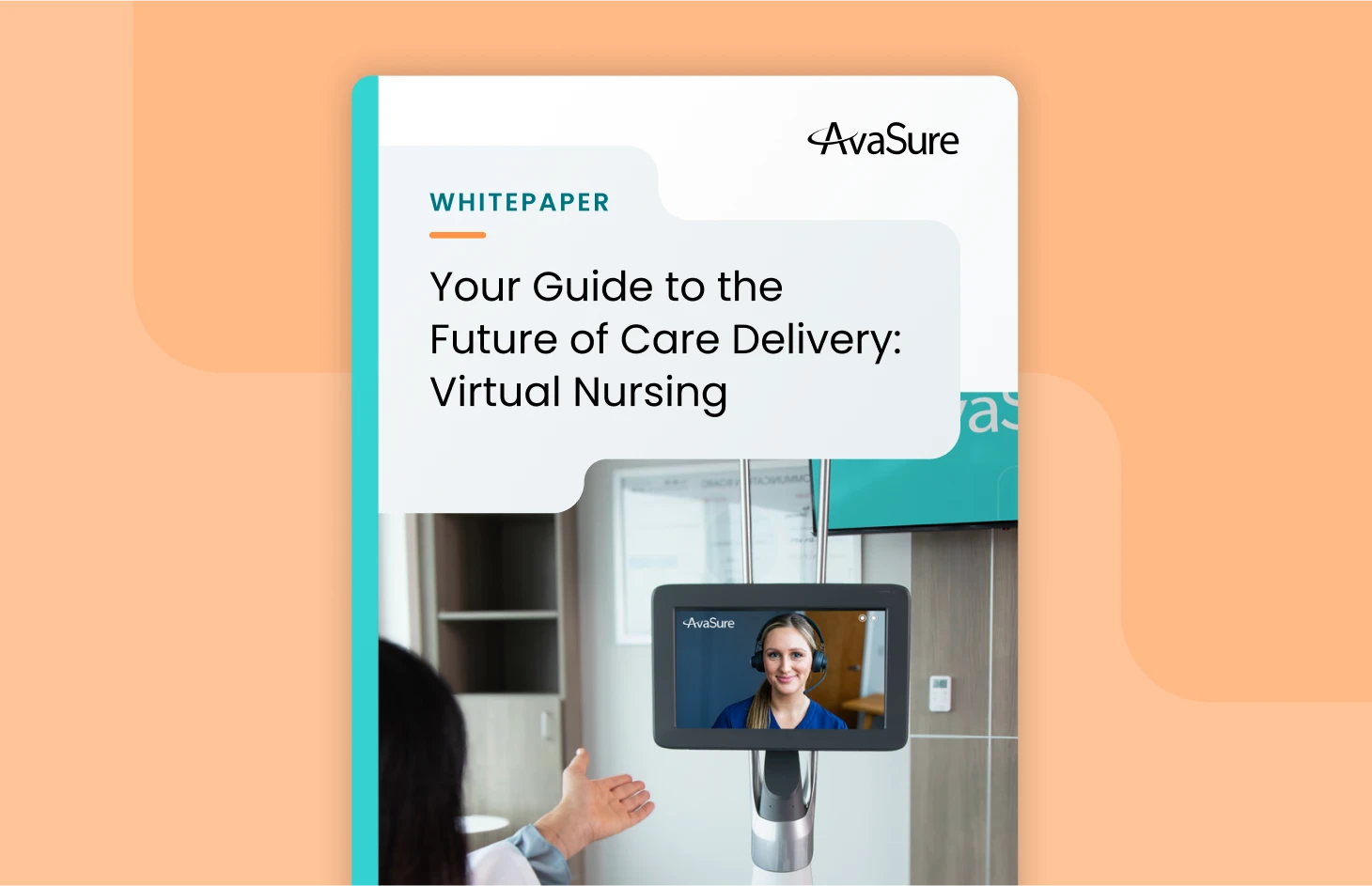
Now, the most proactive healthcare organizations are exploring initiatives to mitigate the effects of a growing labor shortage. Learn how central video monitoring enabled “virtual nurses” to support bedside nurses and uphold high standards of patient care amid a COVID-19 surge across Houston-based Memorial Hermann Health System.
Key learning points:
The basic components of virtual care, including the easy-to-use technology involved to interact with patients and bedside staff
The policies and workflows that best support virtual nursing staff and make for easy implementation
How virtual nurses can use specialized care resources to alleviate existing staff